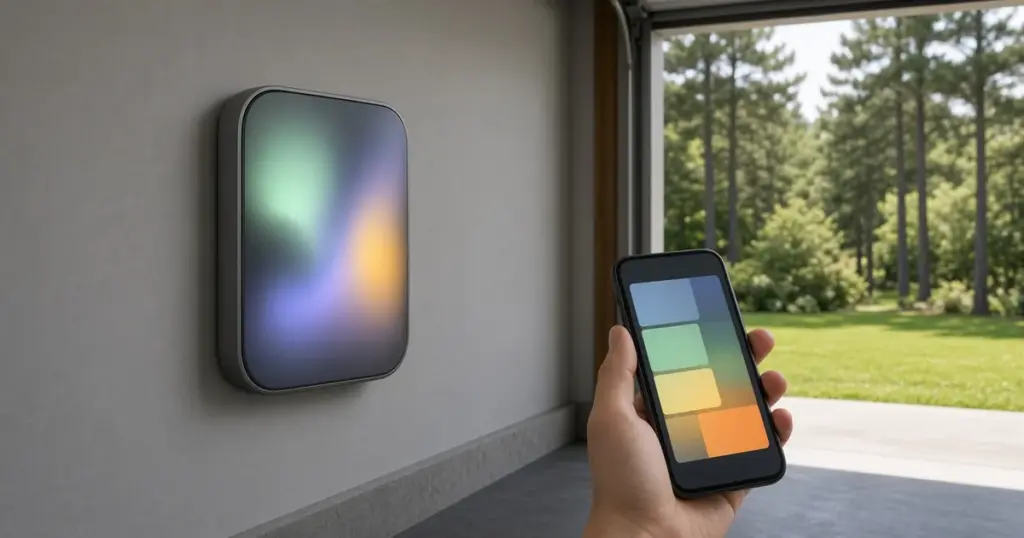
Smart sprinkler controllers have gone from a novelty to a common upgrade, and Huntsville homeowners often ask whether they actually earn their price in our climate. The short answer is that a weather-based controller tends to shine in exactly the conditions we have: heavy but unpredictable rainfall, long humid summers, and a real cost to overwatering. But the value depends on how you use it.
What a Smart Controller Actually Does
A traditional timer runs whatever schedule you program, rain or shine. A smart controller adjusts automatically based on real conditions. Weather-based models pull local forecast and evapotranspiration data — essentially how much moisture your lawn is losing to heat, sun, and wind — and dial watering up or down to match. Others use on-site soil-moisture or rain sensors. The goal is simple: water only when the lawn genuinely needs it.
Why It Fits the Piney Woods
Our rainfall is the killer feature here. Huntsville can get a two-inch thunderstorm and then nothing for ten days. A basic timer will happily run its cycle the morning after a downpour, wasting water and worsening the fungus problems that already plague humid East Texas lawns. A smart controller sees the rain and skips the cycle. Over a wet spring, that skip-logic alone can trim a noticeable chunk off your water use.
The humidity angle matters too. Because overwatering here causes brown patch and other diseases, a controller that holds back after rain is not just saving money — it is protecting the health of your turf.
Real Benefits for Local Homeowners
- Automatic rain skips so you are not running the system into a storm
- Seasonal adjustment that eases off in our mild winters when grass goes dormant
- Phone alerts for problems like a broken zone or a line that suddenly draws too much flow
- Remote control, handy for the many Walker County owners with large properties or a second home
- Water savings that, for many yards, recoup the controller cost within a couple of seasons
The Honest Caveats
Smart controllers are not magic. A weather-based unit needs reliable internet to fetch forecasts, which can be spotty on some rural properties — though most keep a stored fallback schedule if the connection drops. They also need correct setup: your soil type, sun exposure, slope, and head type all get entered so the math works. A controller fed bad information waters poorly no matter how smart it claims to be. And no controller fixes a broken head or a leaking valve; it only manages timing.
Making the Most of It
If you upgrade, take time during installation to program each zone with accurate details, and pair the controller with a rain or soil-moisture sensor for the most reliable skips. Many local homeowners have a technician handle the initial configuration and then manage day-to-day changes from their phone. It also pays to glance at the runtime reports now and then — they often reveal a slow leak or a zone drawing odd flow long before you would spot it in the yard.
For more on choosing and running one, see our sprinkler controllers and smart irrigation guide, our tips for smart controller Wi-Fi problems, and how to use seasonal adjust through the year.
The Bottom Line for Huntsville
For a yard with an automatic system running through our wet springs and hot summers, a well-configured smart controller usually is worth it. It cuts waste, guards against overwatering-driven fungus, and adds convenience on larger lots. The key word is well-configured — the hardware only delivers if the setup reflects your actual landscape. If your current timer is aging or you find yourself constantly toggling it around the weather, a smart upgrade is one of the better returns in home irrigation.