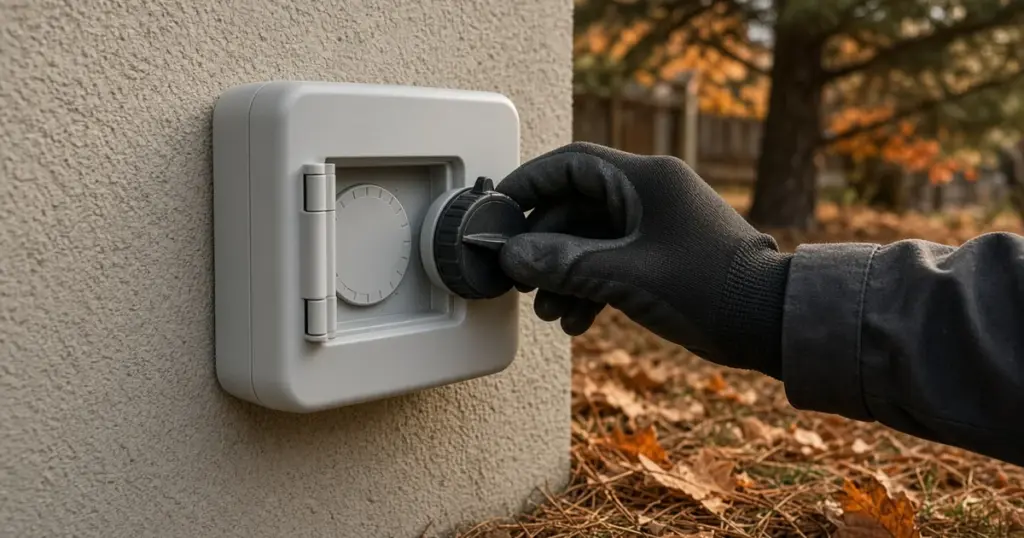
Here is a pattern that repeats every year across East Texas: the controller gets set for August heat, the weather turns pleasant in October, and the sprinklers keep running exactly as they did in the hottest week of summer. The lawn, now growing slowly and losing far less water to evaporation, sits wet. By November, mushrooms pop up, fungus shows up in St. Augustine, and the water bill has not dropped at all.
Fall is the season when most irrigation systems overwater. Adjusting your schedule as the weather cools is one of the easiest ways to save water and protect your lawn. Here is how to do it for yards in Huntsville, TX and the surrounding Walker County area.
Why Lawns Need Less Water in Fall
Warm-season grasses such as St. Augustine, Bermuda, and Zoysia slow their growth as days shorten and soil temperatures drop. At the same time:
- Lower temperatures and shorter days mean less evaporation.
- Morning dew lasts longer, keeping blades wet.
- Fall fronts often bring rain.
- Shade from trees and buildings lengthens as the sun gets lower.
Put together, the lawn’s water demand can drop considerably compared with midsummer. A schedule that was right in August will be too much in October.
When to Start Cutting Back
There is no single date. Watch for these signs:
- Daytime highs are consistently lower than they were at the peak of summer, and nights are noticeably cooler.
- The soil is still moist a day or two after watering.
- Grass is growing more slowly and needs mowing less often.
- You see mushrooms, algae on bare soil, or a slimy feel at the base of the turf.
When two or three of those show up, it is time to adjust.
How to Reduce: Three Approaches
Use the seasonal adjust setting
Most controllers have a seasonal adjust or water budget feature that scales every run time by a percentage. Dropping it in steps over several weeks is the simplest way to cut back without reprogramming every zone. The controllers and smart irrigation guide explains how this feature works.
Water fewer days
Reducing frequency is usually more effective than shortening run times, because it lets the soil dry between cycles and encourages roots to go deeper. Moving from several days a week to fewer is a common fall step. If you are in Huntsville city limits and a drought stage is ever active, make sure your days still match the city’s rules.
Shorten run times zone by zone
If some zones are shaded and others are in full sun, adjust them individually. Shaded zones often need the biggest reductions. Our post on how to set a sprinkler controller walks through changing station run times.
A Sample Step-Down Plan
Every yard is different, but a gradual approach works well:
- Early fall: Reduce seasonal adjust a modest step and remove one watering day.
- Mid-fall: Reduce again and check soil moisture with a screwdriver before each cycle.
- Late fall: Many lawns need only occasional watering, mainly during dry spells.
Keep a simple note of each change, the date, and how the lawn responded. Next fall you will have a record of what worked for your yard instead of starting from scratch, and you can repeat the same steps in reverse when spring warms things up again.
The key is checking the lawn after each change. If grass shows stress, such as a blue-gray tint, folded blades, or footprints that do not spring back, add a little water back.
Fall Disease and Why Overwatering Matters
Cool, wet conditions favor certain lawn diseases. St. Augustine is especially prone to large patch, a fungal disease that shows up as expanding circular areas of yellow or brown turf, often in fall and again in spring. Keeping turf wet for long periods, especially from evening watering, makes it worse. To reduce the risk:
- Water early in the morning so blades dry during the day.
- Avoid watering on a fixed schedule after rain.
- Fix leaks and low spots that stay soggy.
- Do not overcorrect with extra water when a diseased patch looks dry.
Our existing article on watering your Huntsville lawn through humidity and fungus season goes deeper on disease and timing, and the lawn and soil irrigation guide covers each grass type.
Other Fall Tasks for Your System
Fall is also a good time to:
- Check the rain sensor before fronts start bringing regular rain.
- Clear leaves and pine needles from heads, valve boxes, and the backflow assembly.
- Fix anything you noticed in summer while the system is under less demand.
- Plan freeze protection for the backflow assembly and any exposed pipe.
- Consider winter overseeding, which changes your watering needs entirely.
The year-round maintenance calendar shows how fall fits into the rest of the year.
When to Call a Pro
Call a professional if fall adjustments do not solve soggy areas, which can point to a leak or a valve that is not closing fully. Call too if some zones stay wet while others dry out despite adjustments, which suggests coverage or zoning problems, or if your controller does not have a seasonal adjust feature and you want an upgrade. A fall tune-up is also a good time to catch problems before winter. See our services page for seasonal tune-ups and our sprinkler repair page for leaks and valve problems.
Frequently Asked Questions
Should I stop watering completely in the fall?
Usually not right away. Lawns still need some water until they go dormant, especially during dry stretches. Reduce gradually and let the lawn’s appearance and soil moisture guide you.
Is it better to water in the evening when it is cooler?
No. Evening watering leaves turf wet overnight, which favors fungus. Early morning is better in every season.
How do I know if I have cut back too much?
Look for grass that turns blue-gray, folds its blades, or holds footprints. Those signs mean it needs water. Add a little back and check again in a few days.
Need Help Adjusting Your System?
If you are not sure how to set your controller for fall, or a soggy spot will not dry out, call 346-586-6060 or schedule a visit online. We help homeowners across Huntsville and Walker County get their systems ready for the cooler months.