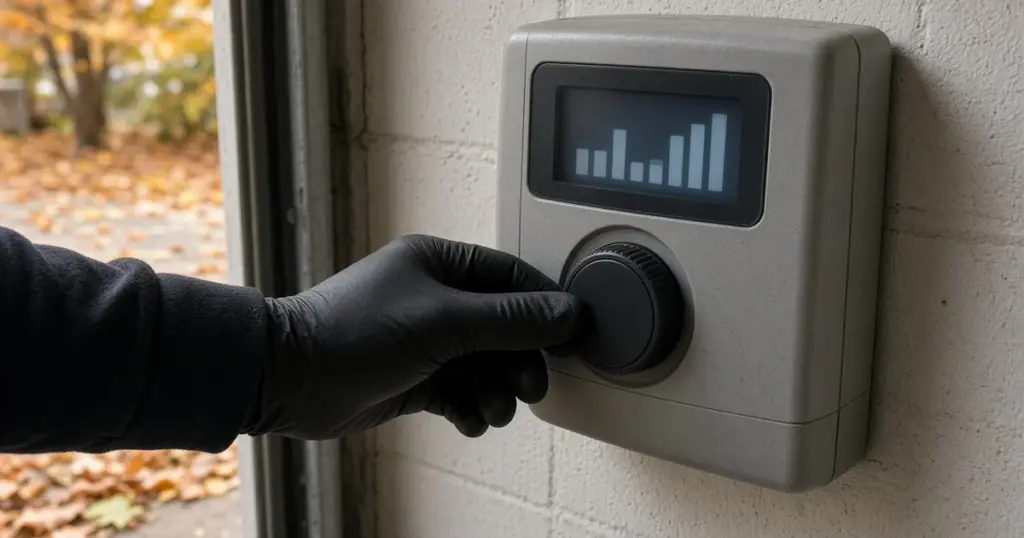
Most sprinkler controllers have a feature called seasonal adjust, sometimes labeled water budget or percentage adjust. It lets you raise or lower the run time of every zone at once by a percentage, without reprogramming each zone individually. Set it to 100 percent and zones run their programmed times. Set it to 50 percent and every zone runs half as long.
Used well, seasonal adjust is the easiest way to keep a system in step with the weather. It saves water in spring, fall, and winter and helps the lawn through summer peaks. This guide explains how it works and how to use it through the year in Huntsville, TX and the rest of Walker County.
How Seasonal Adjust Works
The controller multiplies each zone’s programmed run time by the seasonal adjust percentage. A zone programmed for 20 minutes runs:
- 20 minutes at 100 percent.
- 15 minutes at 75 percent.
- 10 minutes at 50 percent.
- 24 minutes at 120 percent.
Some controllers apply the adjustment to all programs; others let you set it per program. Smart controllers often calculate it automatically from weather data.
Our existing article on how to set a sprinkler controller explains programs, start times, and run times.
Setting the Baseline
Seasonal adjust works best when the baseline run times are right. Program each zone for peak summer needs, based on measured output and how the lawn responds. Then use seasonal adjust to scale down the rest of the year. If baseline times are off, every percentage will be off too.
A Month-by-Month Approach
The percentages below are a starting framework, not a rule. Adjust based on rainfall, temperature, and how your lawn looks.
Late winter
Warm-season lawns are dormant. Water only during extended dry spells, if at all. Many homeowners turn the controller off or use a very low percentage. See watering a dormant lawn in winter.
Spring
As grass greens up and temperatures rise, increase the percentage gradually. Spring rain may cover much of the lawn’s needs.
Early summer
Increase toward the baseline as heat builds.
Peak summer
Run at or near 100 percent. During heat waves, a modest increase above the baseline may help. Our guide to summer irrigation in East Texas heat covers peak-season practices.
Fall
Reduce the percentage as temperatures drop and days shorten. See fall sprinkler adjustments.
Early winter
Reduce further or turn off as lawns go dormant.
When Seasonal Adjust Is Not Enough
Seasonal adjust changes run times, not watering days or start times. Sometimes you need to change those too:
- Watering days. In cooler months, reducing days often makes more sense than shortening run times.
- Start times. Keep watering in the early morning.
- Cycle-and-soak. As run times shrink, you may be able to combine cycles.
- Drought restrictions. If watering days are limited, adjust days to match.
Smart Controllers and Automatic Adjustment
Weather-based smart controllers calculate adjustments from local weather data, adjusting run times or skipping days automatically. They still depend on accurate zone settings, such as soil type, plant type, sun exposure, and head type. Check those settings when you set up the controller.
Soil moisture sensors offer another approach, skipping watering when the root zone is still moist. See soil moisture sensors for sprinklers.
Different Zones, Different Curves
Seasonal adjust applies the same percentage to every zone in a program, but not every area changes at the same rate. Shady areas under deciduous trees get more sun in winter and early spring, then much less once leaves fill in. South- and west-facing areas near walls warm up first in spring. If a few zones consistently look too wet or too dry after a seasonal change, adjust their baseline run times individually rather than moving the percentage for everyone.
Common Mistakes
- Leaving seasonal adjust at 100 percent all year.
- Setting baselines too high and then never reducing.
- Forgetting it is set low and wondering why the lawn is dry in summer.
- Changing both run times and seasonal adjust, which makes it hard to track what changed.
- Ignoring rain. Even with seasonal adjust, a working rain sensor is important.
A Simple Routine
- Set baseline run times for summer.
- Check seasonal adjust at the start of each month.
- Walk the lawn a week after each change.
- Write down the percentage you used each month so next year starts from a good reference.
Reading the Lawn After an Adjustment
A week after changing the percentage, look for signs that you went too far in either direction. Footprints that stay pressed into the grass, dull color, and curling blades in the afternoon point to too little water. Soft, spongy turf, mushrooms, and soil that stays wet a day after watering point to too much. Adjust in small steps of 10 percent or so rather than large jumps, and give each change a week before judging it.
Programs for Beds and Drip
If your drip zones are on a separate program, check whether seasonal adjust applies to them. Beds and trees often need adjustment on a different curve than turf, especially when new plantings are establishing. Some homeowners leave drip programs at a fixed percentage and adjust them only when plants show stress.
When to Call a Pro
Call a professional if you are unsure how to set baseline run times, if your controller does not have seasonal adjust, if you want a smart controller to handle it automatically, or if the lawn is still uneven after adjustments. The controllers and smart irrigation guide explains the options. We help homeowners across Huntsville and Walker County program and upgrade controllers. See our services page and our sprinkler repair page.
Frequently Asked Questions
What does seasonal adjust do on my sprinkler controller?
It changes all zone run times by a percentage, so you can increase or decrease watering without reprogramming each zone.
What percentage should I use in winter?
Many East Texas lawns are dormant in winter and need little or no irrigation. Use a low percentage or turn the system off, watering only during long dry spells.
Should I change watering days or seasonal adjust?
Both can be useful. In cooler months, reducing watering days often helps more than simply shortening run times.
Get Your Controller Set for Every Season
For help programming seasonal adjustments, call 346-586-6060 or request service.